Water-smart lawns for Southern Utah
Residential Artificial Turf in St. George
Replace a thirsty lawn with a green, low-maintenance yard built for the desert — from front-yard curb appeal to a more usable backyard.
- Front & back yards
- HOA-aware planning
- Free site-specific quote
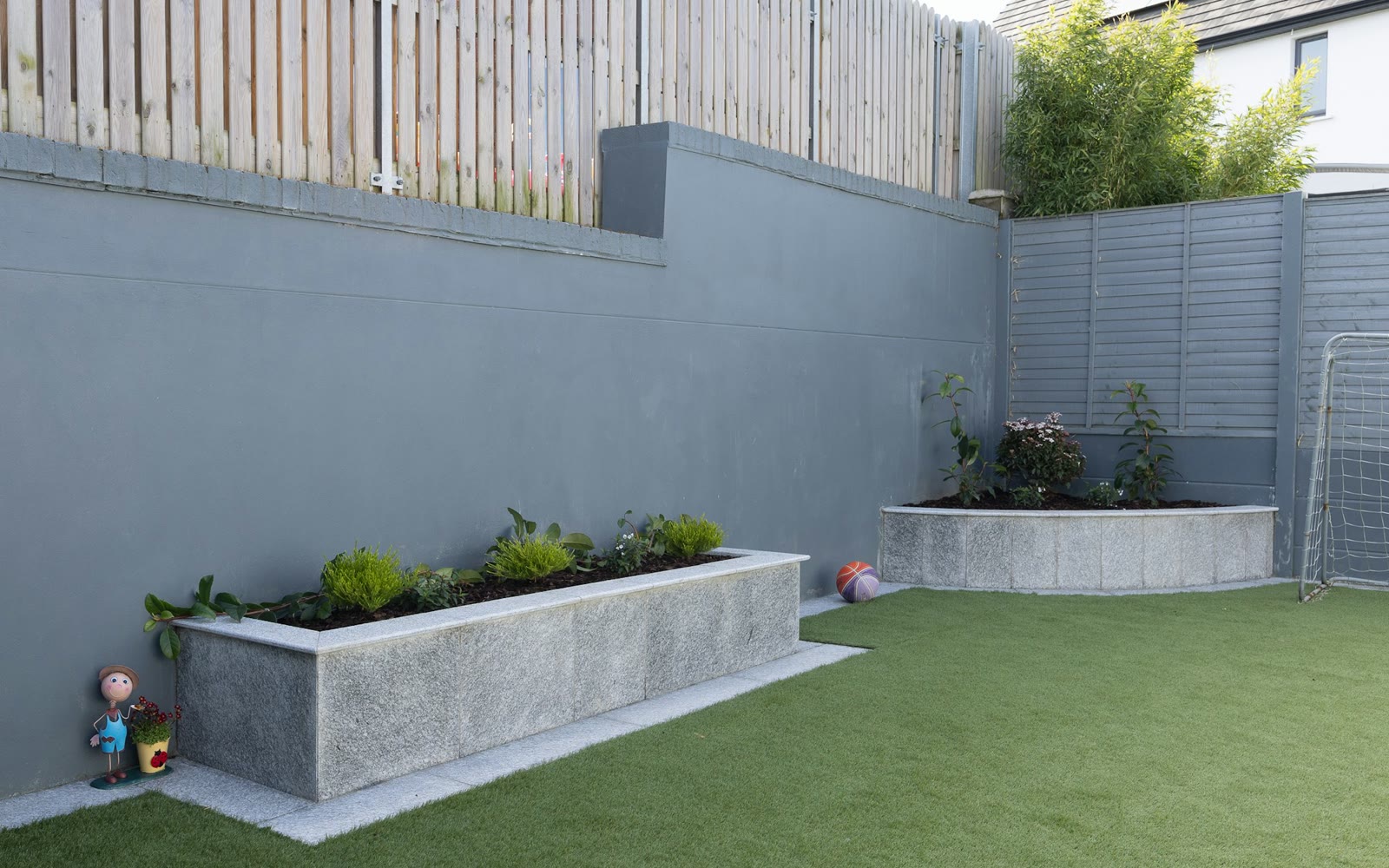
Why St. George Homeowners Choose Artificial Turf
St. George's summers run hot and dry, and keeping a real lawn green means steady watering, mowing, and attention. A professionally installed artificial lawn removes most of that work and stays green year-round — no brown patches in August, no dormant grass in winter, no sprinkler zones to rebuild. For a family that wants a usable yard without the upkeep budget, synthetic turf is one of the most practical water-smart choices in Washington County.
Front-yard curb appeal
A clean, uniform lawn that always looks freshly edged and watered. Ideal for HOAs and neighborhoods that value tidy landscaping.
Backyard living space
Create a usable space for kids, pets, dining, and lounging that doesn't turn to mud or dust.
Play-friendly surface
Cushioned turf is comfortable underfoot and stands up to foot traffic, slides, and backyard games.
Slope & shade solutions
Turf works where real grass struggles — steep slopes that are hard to mow, and low-light patches that grow thin.
Is Artificial Turf Worth It for a St. George Home?
For most homeowners the answer comes down to the math of water, time, and what you want the yard for. A real lawn in Southern Utah needs regular irrigation through the long hot season, while turf removes mowing, fertilizer, and most lawn irrigation. A qualifying WCWCD water-efficient landscape rebate can also lower the upfront cost. Whether the project pays back financially depends on the installed price, current water and maintenance costs, how much lawn is replaced, and how long the system performs, so compare a site-specific quote with your own costs rather than relying on a generic payback claim.
That trade-off is not automatic for every yard. Shaded yards where turf would sit in deep shade, and properties where you genuinely want a living lawn for play, might justify keeping some real grass. A site-specific discussion is the right way to decide — we help homeowners think through which areas make sense as turf and which are better left as rock, native planting, or real grass.
Front Lawn or Backyard: Choosing Where Turf Helps Most
Most conversions fall into two categories, and each has different considerations.
Front-yard turf
A front lawn is the most visible part of a home, and it's usually the part that takes the worst beating from the sun and the most water. Turf there gives year-round curb appeal with no watering schedule and no mowing in the dry season — a perk in HOA-managed neighborhoods that expect a tidy, green landscape from every home.
Backyard turf
Backyards are where families actually live. Pet runs, kids' play areas, dining patios, and lounging zones all benefit from a clean, cushioned surface that won't turn to mud in a monsoon storm or dust in the dry months. Backyard installations are also where pet-grade and play-grade turf lines make the most sense.
In new-build homes, many owners are trenching the lawn out at construction time and putting turf down on the final grade — an efficient time to convert because the site prep is done once. Existing yards need the grass and topsoil removed first, which is a normal part of any conversion.
Residential vs. Commercial Grades
Turf comes in different pile heights, blade shapes, and backing quality. Residential lawns usually use a natural-looking, medium-plus pile; high-traffic or pet-heavy yards may want a denser, more durable face. We'll match the right product to how you'll actually use the yard — a quiet lawn, a dog run, or a kids' play area all call for different turf. There's no single "best" residential turf; the right one depends on sun, traffic, pets, and how natural you want it to look.
HOA and Local Rules to Check
Before converting, confirm the rules for your neighborhood HOA and any city landscaping ordinance. Many Washington County communities allow high-quality turf, but approval requirements and preferences vary. We know the common standards and can help you navigate them. If you're in an HOA, it's worth reading your CC&Rs or asking the association about turf height, infill, and color requirements before you commit. See our guide to HOA and city rules for the questions to ask.
How Much Does Residential Turf Cost in St. George?
Residential turf is quoted per project, not from a single square-foot price, because site conditions swing the total. The main cost drivers are the square footage, the amount of site prep (removing existing grass, leveling, grading for drainage), the turf grade you choose, the shape and accessibility of the yard, and extras like edging or special infill. Removing an old lawn and doing real base and drainage work costs more up front but is what makes a lawn last. For a clear picture, request a site-specific quote and read our cost guide for how to compare installers fairly.
Planning Your Project
- Decide the use — lawn, pets, kids, or a mix. This drives the turf grade and any extras.
- Check water rebate — the WCWCD water-efficient landscape program may pay up to $3/sq-ft; a pre-conversion site visit is required and must happen before any work starts.
- Get a site-specific quote — grading, drainage, and access affect cost and timeline.
- Confirm HOA/city rules — read the CC&Rs or ask your association about turf requirements before starting.
Frequently Asked Questions
Does artificial grass get too hot in the St. George summer?
In direct desert sun, artificial turf can become hot enough to be uncomfortable. Surface temperature varies by product, infill, exposure, and time of day, but no turf should be assumed to stay cool through a St. George afternoon. Shade is the most dependable design response; a quick rinse offers temporary cooling. Test samples in sun before choosing a product for bare feet or paws.
How long does residential turf last?
Quality artificial turf, installed properly with a good compacted base and infill, typically lasts 15 to 20 years. Pile height, backing quality, and how heavily the yard is used all affect lifespan.
Will turf qualify for the WCWCD water rebate?
Artificial turf can qualify for the Washington County Water Conservancy District's water-efficient landscape rebate (up to $3/sq-ft), subject to eligibility and a required pre-conversion site visit. You must apply and complete the site visit before any work starts. Confirm current terms on the WCWCD program page.
Is artificial turf allowed in St. George HOAs?
Many subdivisions and HOAs allow high-quality turf, but rules vary by association and city. It's worth checking your CC&Rs and any landscaping ordinance before converting. See our HOA guide for the questions to ask.
Can I install turf over concrete or an existing patio?
Sometimes, but it's not an automatic yes. The base needs to be clean, properly sloped for drainage, and suitable for turf. In many cases a proper base layer still needs to be built. A site assessment determines the best approach for your specific surface.
Ready to get your yard quoted? Tell us your project and we'll help you plan it — including rebate eligibility and HOA considerations. Call us at (435) 261-2875 or use the short form below.